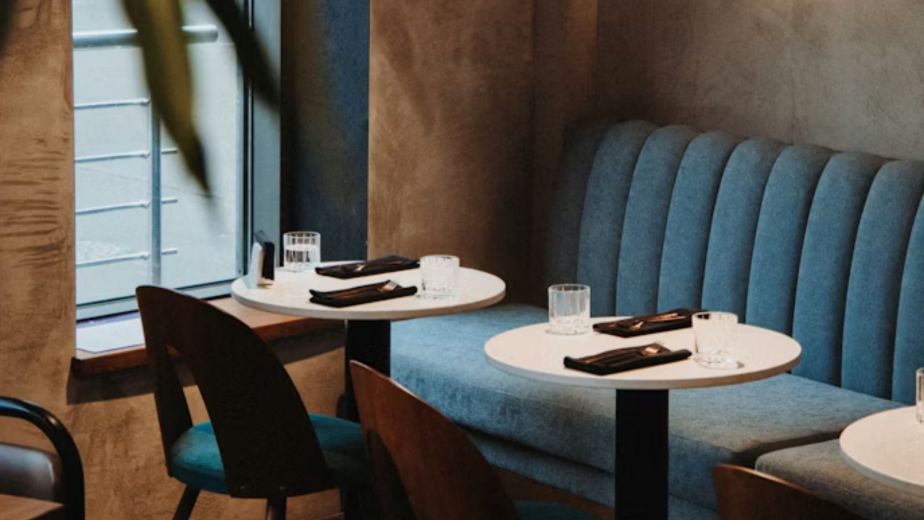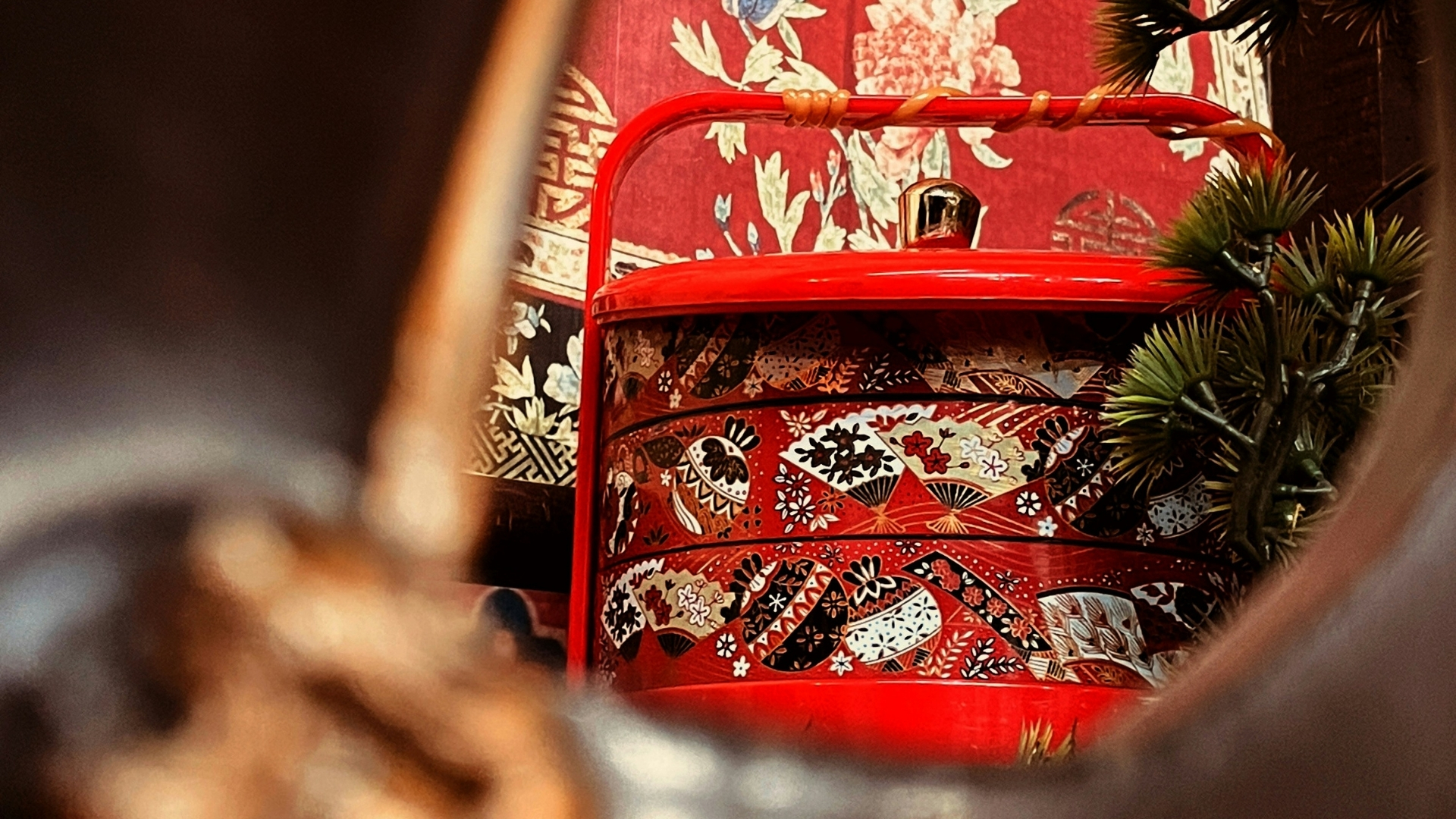
Design is not decoration. It is psychology; a complex study of how people feel, behave, connect, and what they remember within a space.
At Aspinall Marine, we believe the emotional impact of a room is just as important as its aesthetic appeal. Especially at sea, where the environment is constantly shifting, interiors become the anchor points of a guest’s journey.
Every curve directs movement. Every texture invites or repels. Every lighting choice sets a tone. Every space shapes memory.
Understanding the psychology behind these decisions is essential to crafting cruise interiors that resonate long after the voyage ends.
Emotion: The Invisible Blueprint
Interiors are often judged visually, but they are always experienced emotionally. Guests may not remember the exact pattern of a carpet or the material of a bar top, but they will remember how the space made them feel.
This emotional blueprint determines whether guests feel:
- Calm and grounded
- Energised and curious
- Intimate and connected
- Awe-inspired and uplifted
Cruise interiors should be designed to guide guests through a deliberate emotional journey, weaving moments of excitement with moments of pause and stillness.
The Power of First Impressions
The entrance to a space shapes expectations before a single detail is consciously observed. High ceilings can create a sense of grandeur and possibility. Soft lighting can slow the pace of movement. Warm textures invite comfort, while sharp lines quicken energy.
On a ship, entrances also anchor guests within a floating world, providing orientation and grounding. A well-designed threshold can transform anticipation into delight in a heart beat.
Flow, Movement & Rhythm
Human behaviour naturally responds to spatial cues. Curves encourage exploration, whilst straight lines accelerate movement. Open lines of sight create confidence whilst fragmented ones create intrigue and curiosity.
Cruise ships can use spatial rhythm to enhance the guest journey:
- A gradual narrowing of space to increase intimacy
- A sudden expansion to evoke wonder
- Gentle transitions between zones to avoid sensory fatigue
These decisions are subtle but powerful. When executed well, they create environments that feel intentional and effortless.
Material Memory
Materials hold emotional weight. From their temperature, and softness to their reflectivity, and texture – it all contributes to the overall psychological atmosphere.
This could be:
- Matte surfaces that calm the eye
- Glossy surfaces that energise it
- Natural textures that feel grounding and authentic
- Metallic accents that imply sophistication and excitement
At sea, materials also interact with natural light, creating evolving moods throughout the day; a design advantage hotels simply do not have.
Lighting as Emotion
Lighting is one of the most influential psychological tools in design. It dictates pace, defines mood, and frames experience.
Soft gradients can make a space feel meditative whilst sharp contrasts can introduce drama and vitality. Warm light invites conversation, and cool light sharpens the focus.
Cruise interiors benefit from a dynamic interplay between artificial and natural lighting. From sunrises reflecting across surfaces to golden-hour warmth transforming a lounge into something almost cinematic, it’s all a part of the experience.
The Social Architecture of a Cruise Ship
Cruise ships are social ecosystems. The way spaces are designed directly influences how people interact.
- nooks encourage privacy
- circular seating fosters conversation
- layered zoning supports inclusivity
- levels and reveals create hierarchy and anticipation
Great design allows guests to choose the experience they want, without feeling overwhelmed or restricted.
Designing for Memory
The spaces people remember are rarely the most expensive or elaborate. Typically, they are the ones that make them feel something.
- A sense of scale
- A moment of quiet
- A surprising reveal
- A texture that sparks curiosity
At Aspinall Marine, we design with memory in mind by crafting interiors that honour the psychology of space whilst celebrating the emotional resonance of design.
Where Psychology Meets Imagination
The goal is not to manipulate emotion, but to support it. The goal is to create environments that feel intuitive, humane, and always deeply considered.
Cruise design is at its most powerful when it recognises the relationship between space and behaviour. When it uses psychology to shape comfort, curiosity, and connection. When it understands that beauty alone is not enough; experience is what defines the journey.
At sea, every space becomes part of a guest’s story.
Our role is to help that story unfold with clarity, intention, and a sense of wonder.