For years, wellness at sea was largely confined to the spa deck; a dedicated area for treatment rooms, fitness equipment, and perhaps sometimes on occasion… a juice bar – all carefully separated from the rest of the guest experience.
Today, that thinking is changing because wellness is no longer just a feature.
It’s becoming an expectation.
Guests are increasingly searching for environments that help them feel calmer, lighter, healthier, and more emotionally balanced from the moment they step onboard. The most forward-thinking cruise interiors are beginning to recognise that wellbeing is not designed into a single room but is in fact felt throughout the entire vessel.
At Aspinall Marine, we believe the future of cruise interiors lies in creating spaces that restore as much as they impress.
Designing Beyond the Spa
Luxury itself is evolving. For many guests, true luxury no longer means excess or spectacle. It means ease. Breathing room. Spaces that feel intuitive rather than overwhelming.
This shift has profound implications for cruise design.
Wellness-led interiors are beginning to influence every aspect of the onboard experience. For us, some of this includes:
- softer, more emotionally intelligent lighting
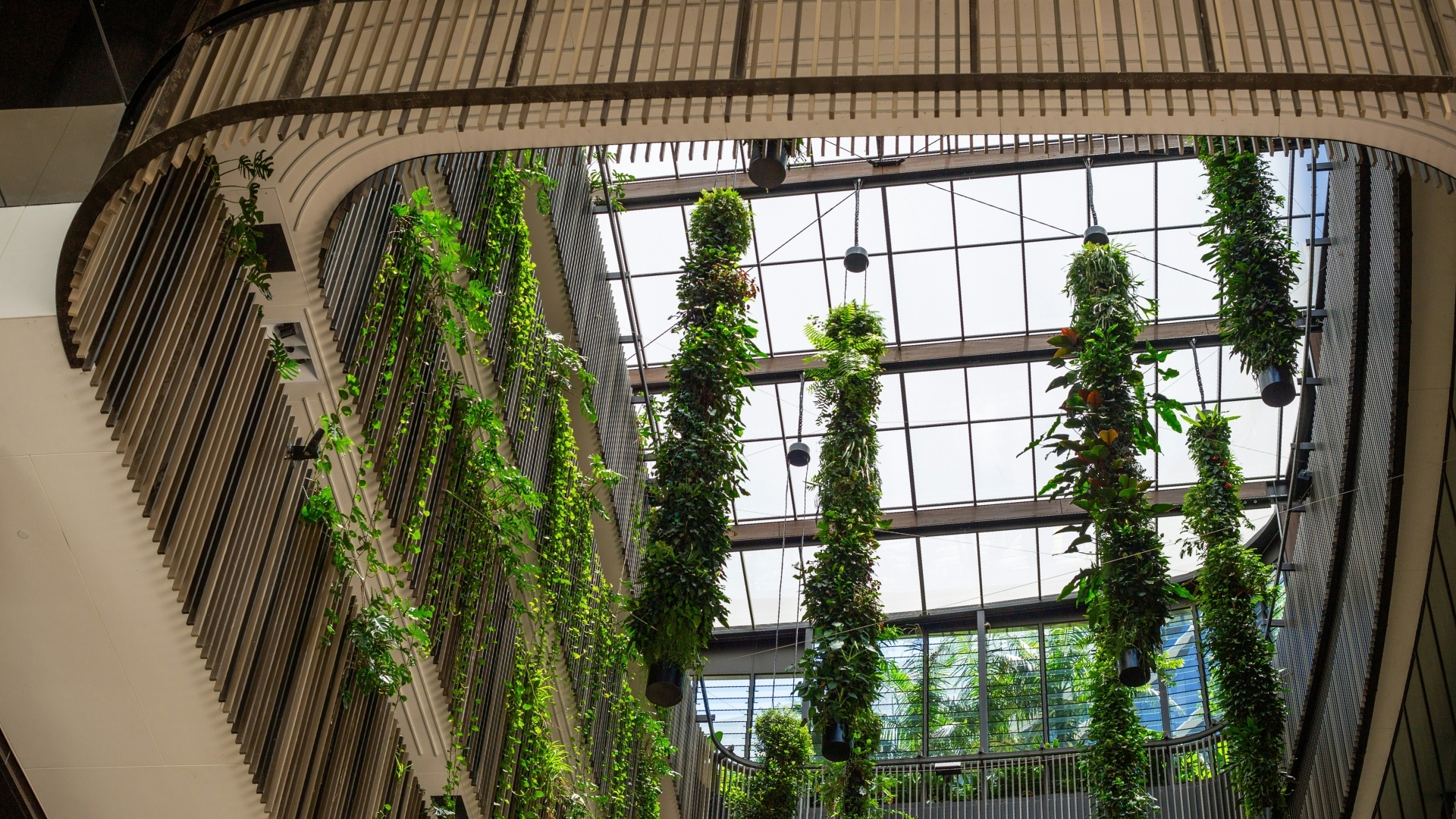
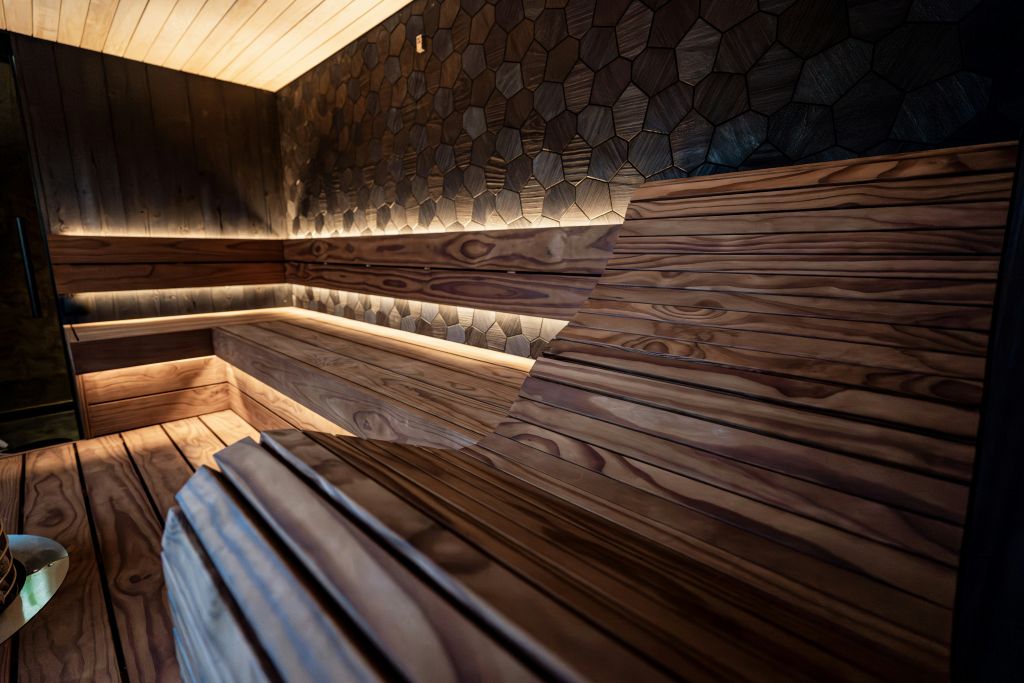
- natural materials with tactile textures
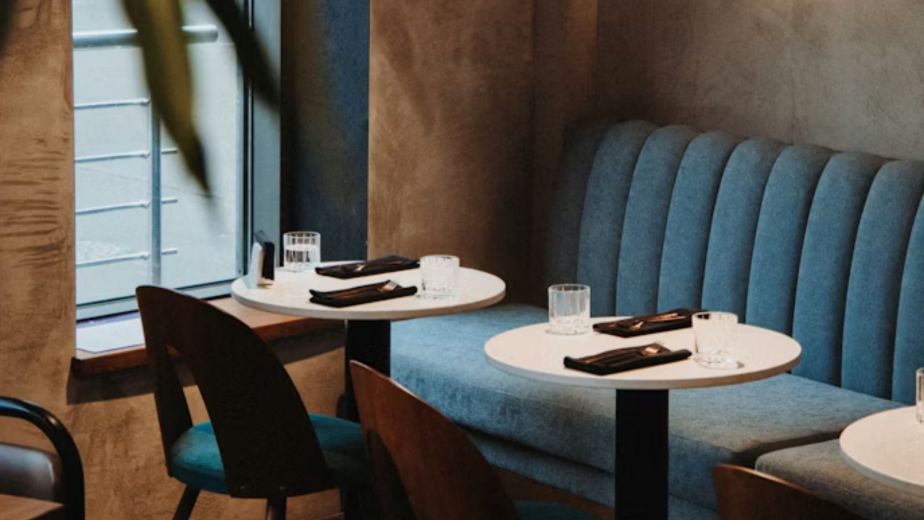
- quieter, more intimate social spaces
- thoughtful acoustics
- layouts that reduce visual fatigue
- interiors designed around flow and movement rather than just sheer scale
These choices may seem subtle individually, but together they fundamentally shape how a guest feels throughout their journey.
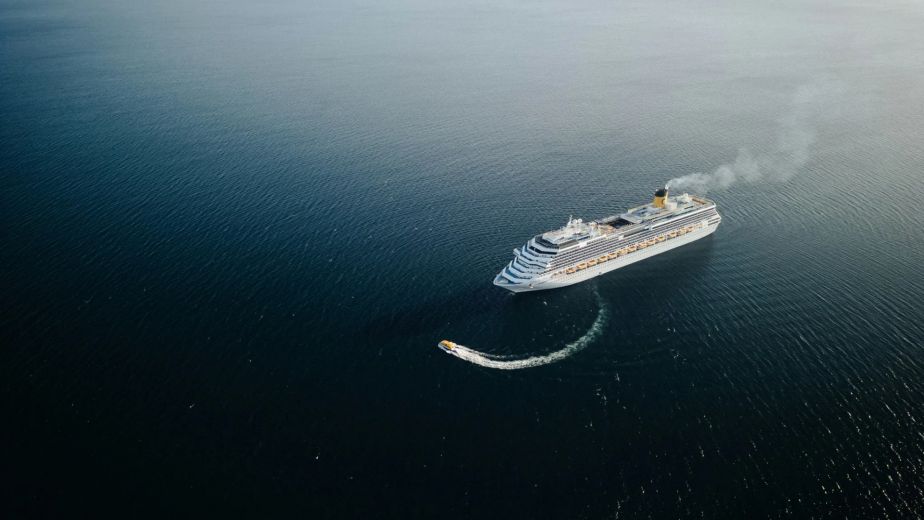
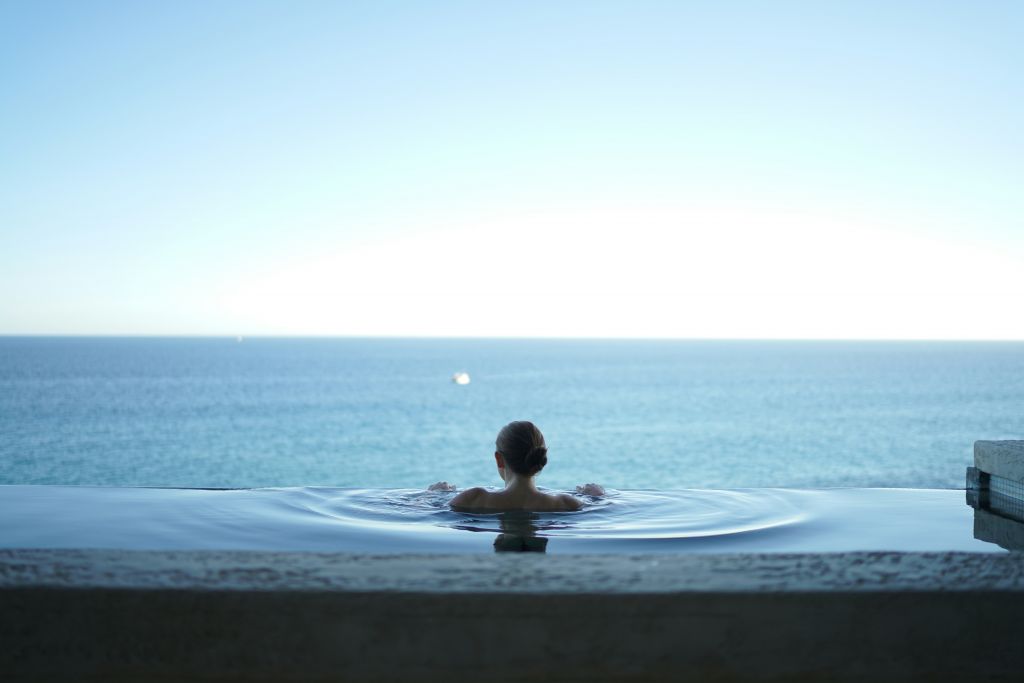
At sea, this becomes even more powerful. The movement of water, changing daylight, and a connection to the horizon already create a naturally reflective environment. Good design should enhance that feeling, not compete with it.
The Psychology of Calm
Cruise ships are unique environments.
Guests are constantly moving through transitions: busy social spaces to private cabins, morning sunlight to evening entertainment, exploration to relaxation.
Design has the ability to guide these emotional shifts – both conciously, and unconciously.
A softly lit corridor can slow the pace of movement. Curved forms and lines can reduce tension within a space. Layered materials and muted palettes can encourage a sense of calm without sacrificing sophistication.
This is where wellness becomes more than aesthetics; it becomes psychology.
The next generation of cruise interiors will need to consider not only what spaces look like, but how they regulate mood, energy, and emotion.
Wellness Through Materiality
One of the most exciting developments in contemporary interior design is the return to tactile experience.
People are increasingly drawn toward spaces that feel authentic but also sensory: natural timber, textured stone, layered fabrics, matte finishes, and warm metals. Materials that invite interaction rather than simply observation.
For cruise interiors, these details matter enormously.
A guest may not consciously analyse why a space feels restorative, but they will feel the difference between an environment built around comfort and one designed purely for visual impact.
Our expert team of designers believe luxury should feel human. Wellness-focused design allows spaces to feel grounded, emotionally warm, and quietly confident.
The Rise of Quiet Luxury at Sea
The wider design world has seen a significant shift toward what many call “quiet luxury” aka interiors that are defined by refinement, restraint, and quality rather than extravagance.
Cruise design is beginning to follow the same trajectory. Guests value spaces that feel curated rather than crowded, interiors that allow moments of pause, and environments that feel restorative in an age of constant stimulation.
Wellness as Experience
Ultimately, wellness-led design is not about trends. It is about creating better experiences.
A beautifully considered cabin can improve sleep quality. A thoughtfully designed restaurant can encourage slower, more meaningful dining experiences. A lounge with layered acoustics and calming light can become a place guests return to repeatedly throughout their voyage.
These emotional connections shape memory, and in an increasingly competitive industry, memorable experiences are what distinguish good cruise brands from exceptionally ones.
Looking Ahead
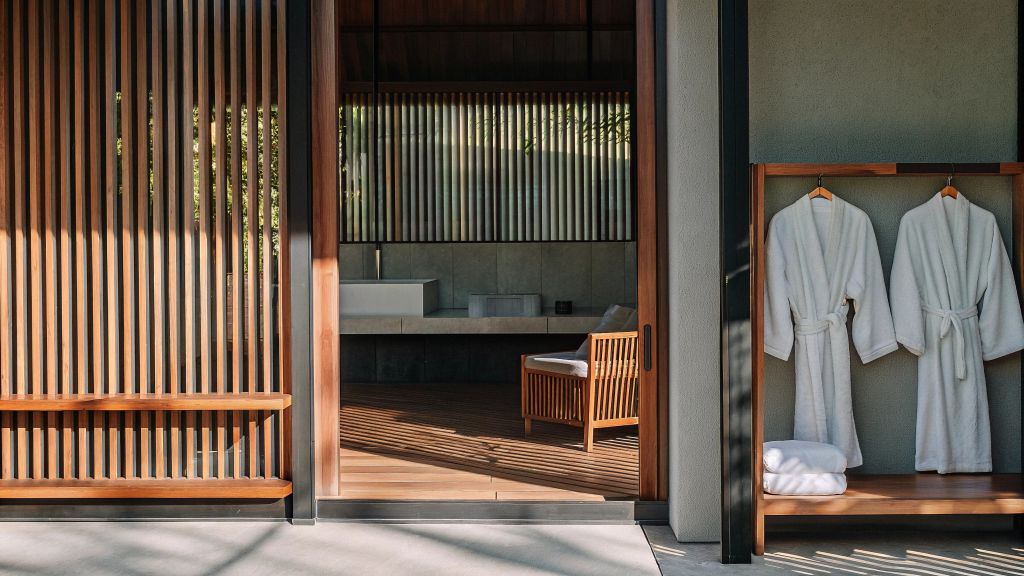
At Aspinall Marine, we see wellness not as a separate design category, but as a mindset. It’s one that considers how every space onboard contributes to the guest experience.
The future of cruise interiors will not simply be luxurious. It will be emotionally restorative, psychologically intelligent, and at it’s core – deeply human.