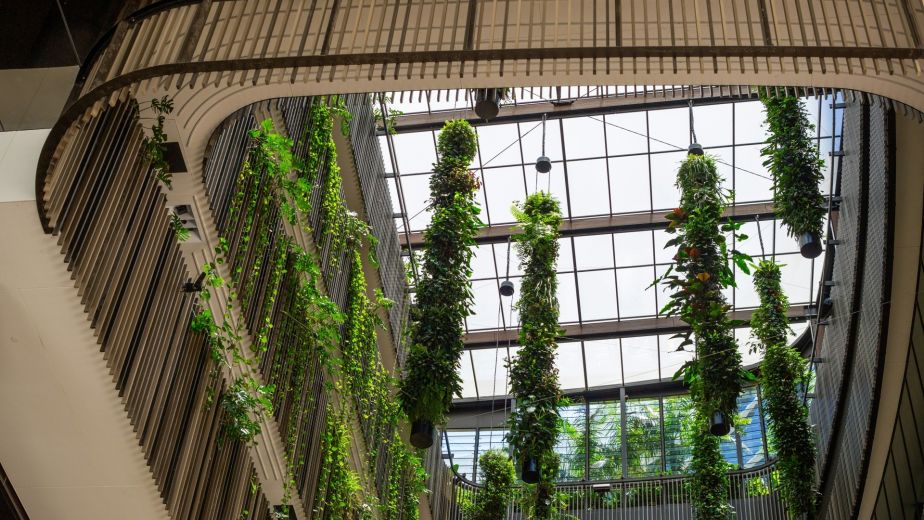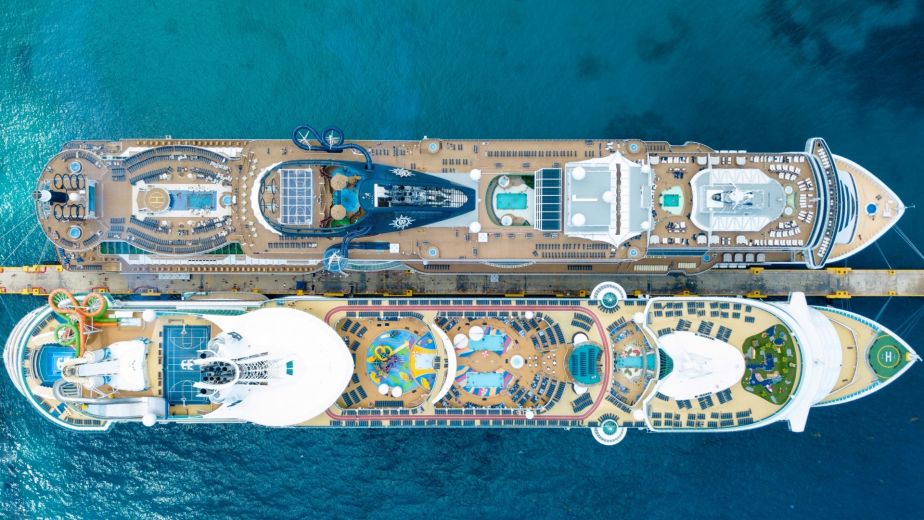
For decades, cruise interiors followed a recognisable formula; Grand atriums. Formal dining rooms. Large-scale entertainment spaces designed to impress through size and spectacle.
Whilst many of these environments were and still are – beautifully executed, guest expectations are beginning to evolve.
Today’s traveller is more design aware, more experience driven, and more visually sophisticated than ever before. They have stayed in boutique hotels, worked from beautifully designed cafés, socialised in intimate cocktail bars, and become accustomed to spaces that feel personal rather than performative.
Increasingly, they want cruise interiors to reflect the same emotional depth.
At Aspinall Marine, we believe the most successful spaces at sea are no longer those that look like traditional cruise environments at all.
The Shift Toward Lifestyle-Led Design
The hospitality world has undergone a significant transformation over the last decade. Spaces are no longer designed purely around function; they are also designed around feeling.
Restaurants have become immersive social experiences. Hotels feel increasingly residential. Retail spaces behave more like galleries. Cruise interiors are now entering a similar period of evolution.
Guests no longer want generic luxury. They want spaces with identity, atmosphere, and personality. Interiors that feel layered, curated, and emotionally engaging.
The ships that embrace this thinking will feel more contemporary, more memorable and ultimately more human.
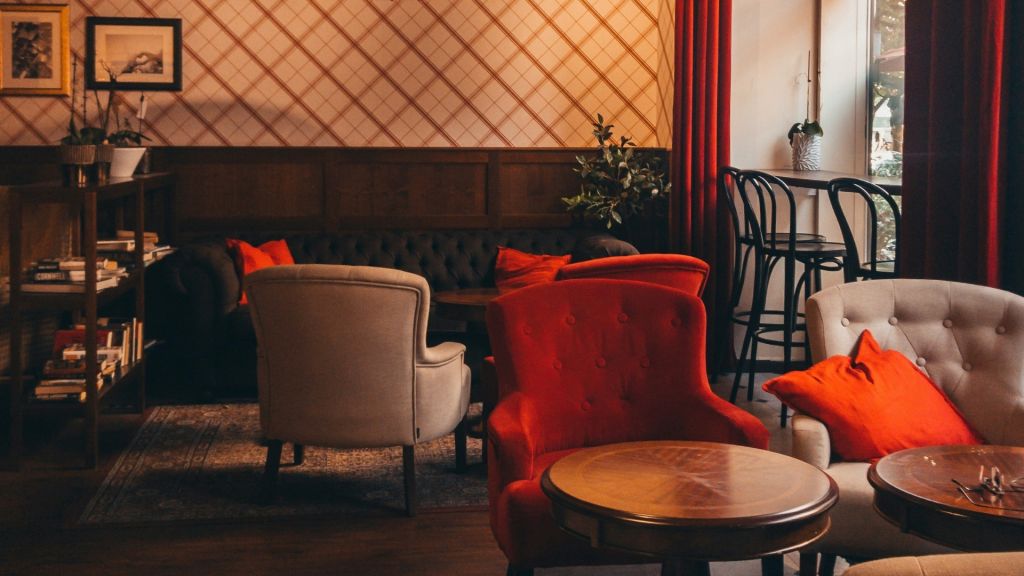
Moving Beyond “Grand Lobby Syndrome”
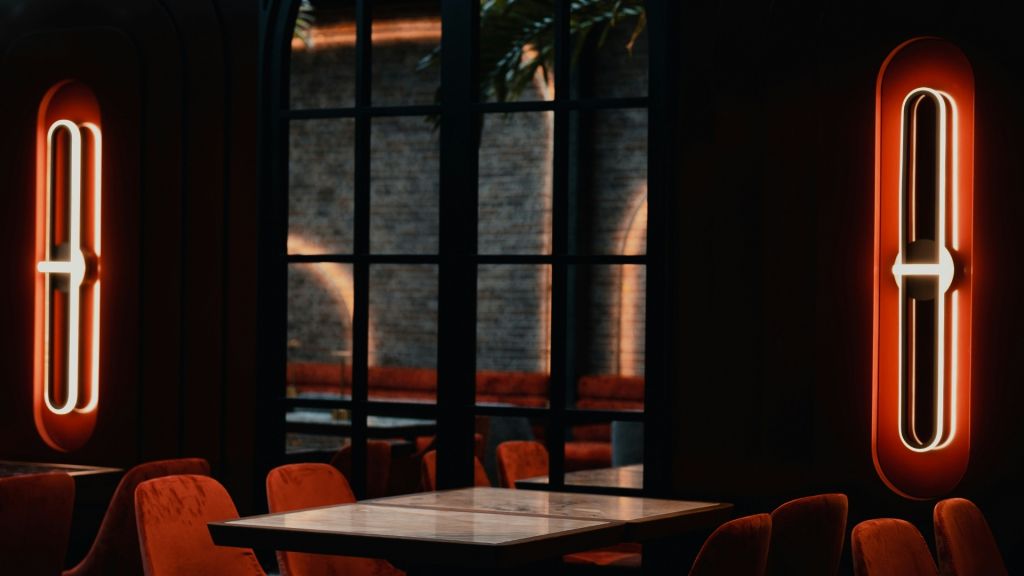
Cruise interiors have historically prioritised visual impact at first glance. Large atriums and expansive public spaces were designed to create immediate drama. A beautifully lit bar with layered textures and intimate seating can often leave a stronger emotional impression than a vast open lobby.
The future of luxury lies not in overwhelming guests, but in understanding them. This is where thoughtful hospitality design becomes essential.
Our experience working across restaurants, bars, and hospitality environments has taught us that atmosphere matters just as much as aesthetics. People remember spaces that make them feel comfortable, inspired, and emotionally connected.
At sea, this creates extraordinary opportunities.
Designing Spaces People Want to Return To
The best interiors encourage repeat behaviour.
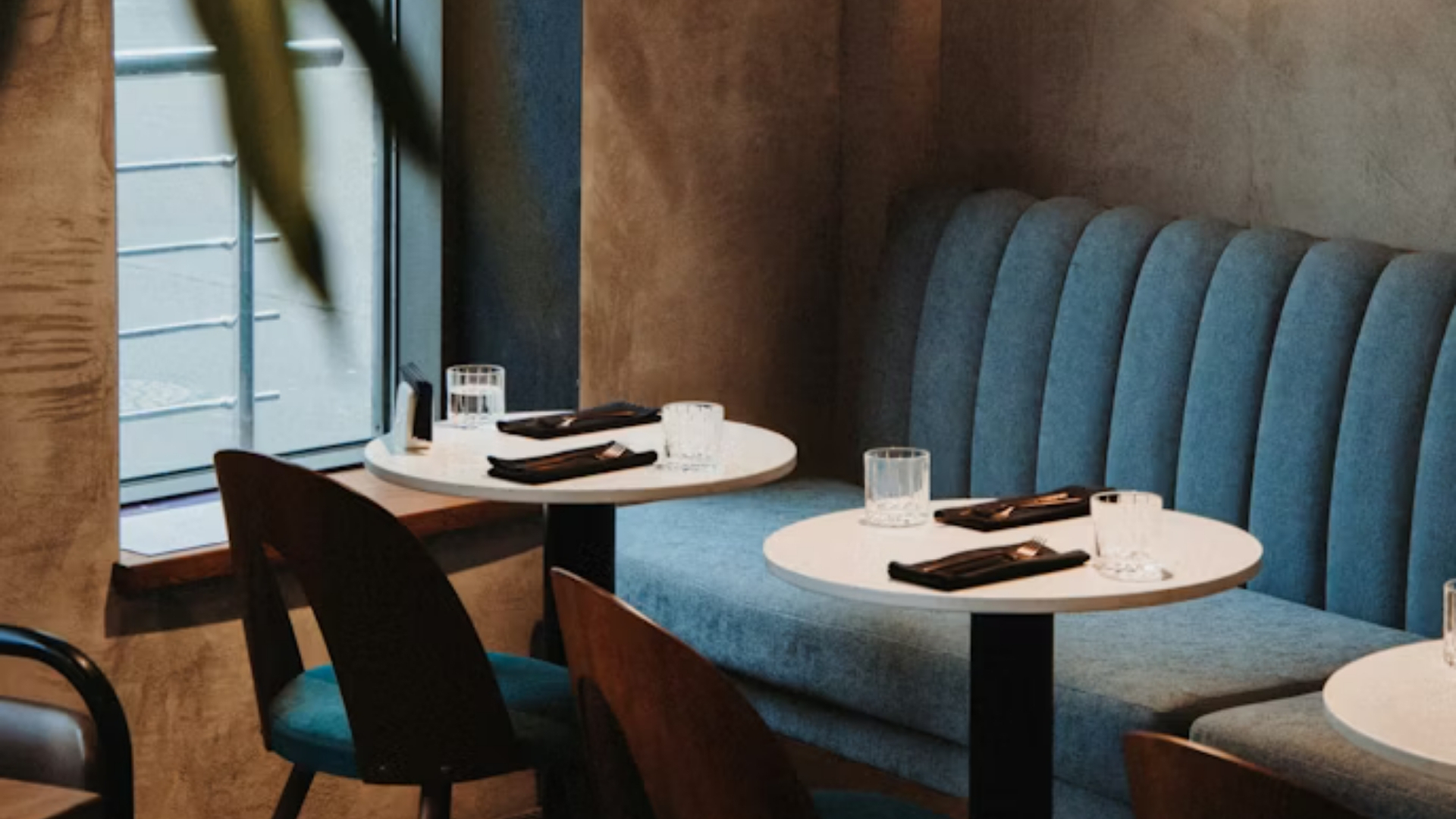
A lounge guests visit every evening because the lighting feels calming. A restaurant that feels alive throughout the day because the layout supports different moods. A café space guests photograph not because it is extravagant, but because it feels distinctive.
These experiences are increasingly valuable within cruise environments.
Guests want spaces that feel authentic and lived-in rather than overly formal or staged. They want flexibility, warmth and character.
This is why many of the most exciting future-facing concepts borrow inspiration from outside traditional marine design altogether.
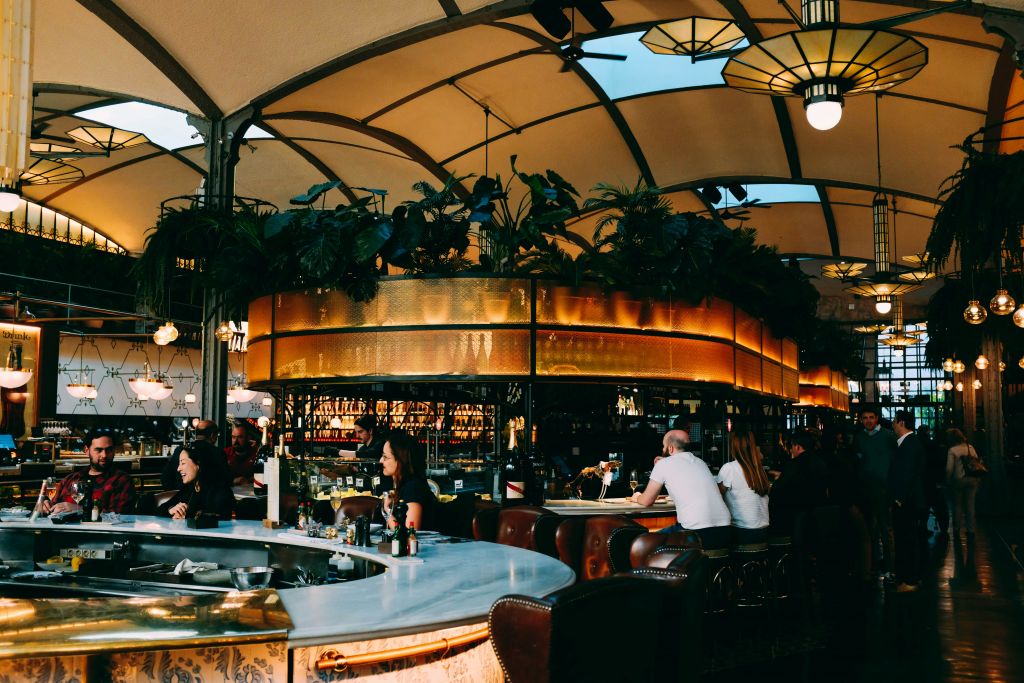
The Influence of Hospitality
Hospitality design and cruise interiors are becoming increasingly interconnected.
Our work across restaurant and lifestyle environments continues to shape how we approach marine concepts and is perfect example of how reinforcing the important principle of making spaces multi sensory leads to success. It is not simply about how a room looks. It’s so much more than that:
It’s about:
- how the lighting changes throughout the evening
- how choosing the right materials can soften acoustics
- how the layout can encourage movement and conversation
- how the atmosphere evolves over time
The best cruise spaces understand this rhythm.
The Future Feels More Personal
Perhaps the biggest shift of all is emotional. Luxury is becoming less about display and more about personal experience. Guests increasingly value spaces that feel intuitive, calming, and emotionally resonant. The future of cruise interiors will belong to designers who understand this balance… who understand creating spaces that feel refined without being cold or expressive without being overwhelming.
At Aspinall Marine, we believe the next chapter of cruise design lies in creating environments guests genuinely connect with. The most memorable spaces at sea should not feel like replicas.
They should feel like destinations in their own right.